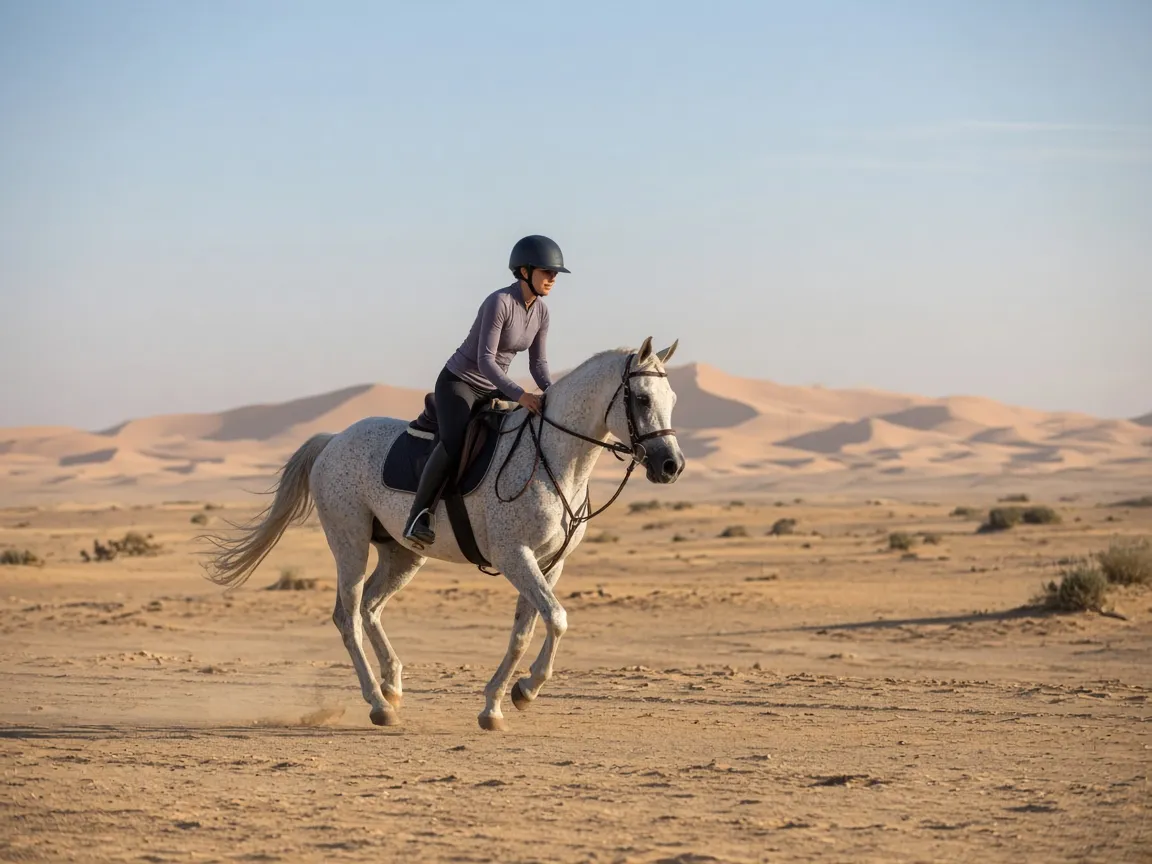
Summer temperatures in the Gulf regularly exceed 45 °C, and humidity along the coast can make conditions even more demanding. Horses produce a great deal of heat when they digest feed and when they work, so the way we feed them has a direct effect on their comfort, hydration and performance.
Choose cooler sources of energy
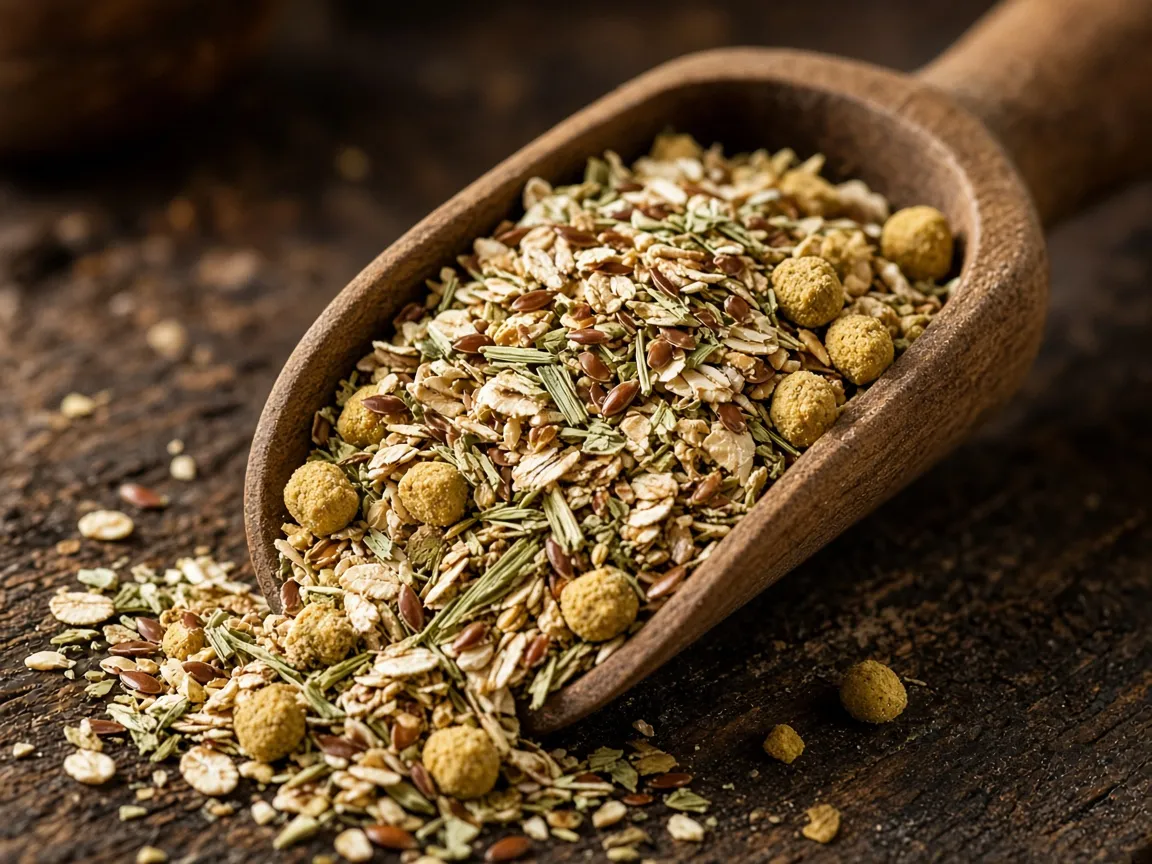
Not all calories are equal. Digesting fibre and oil produces steady energy with less of the “fizz” associated with high-starch cereals. For many horses — particularly those in light to moderate work — moving towards a fibre- and oil-based feed such as ASIL Endurance or ASIL Cool Cubes helps maintain condition without unnecessary excitability.
Make forage the foundation
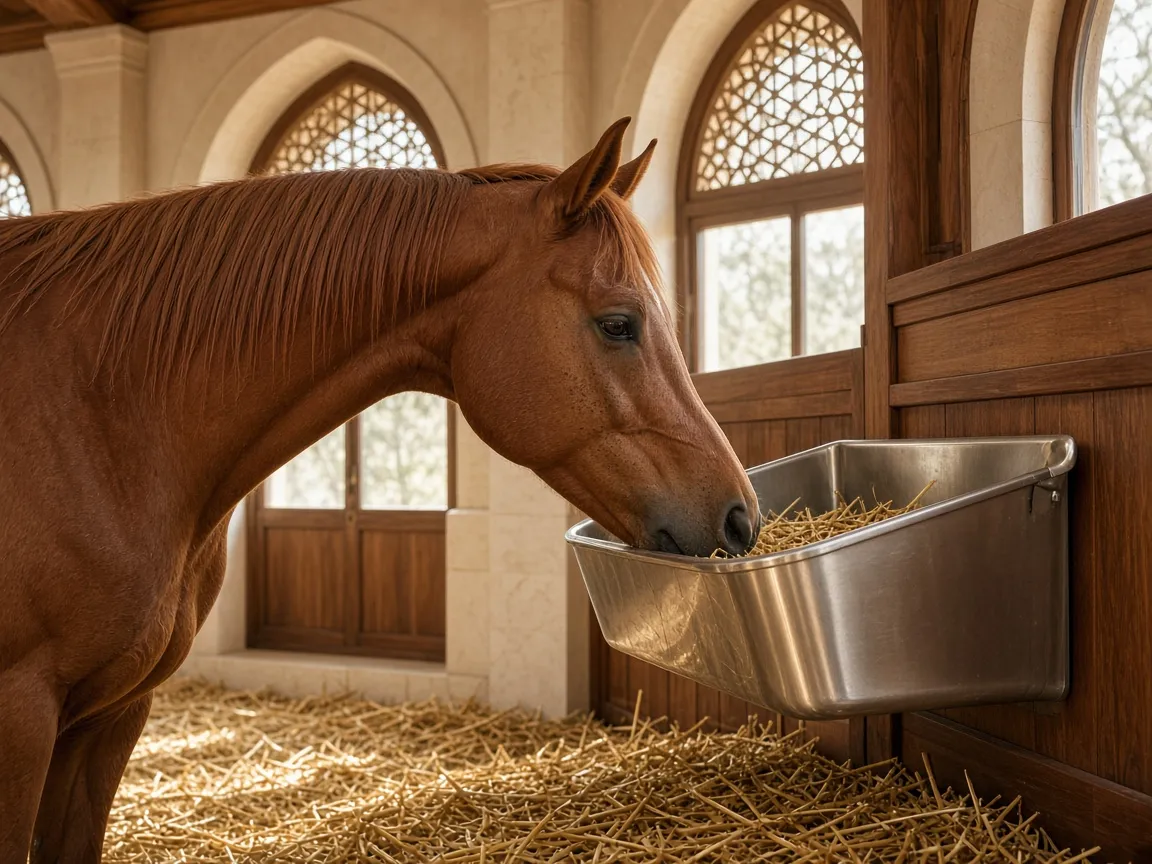
Good-quality forage should make up the majority of every horse’s diet, ideally at least 1.5% of bodyweight per day. Where local hay varies in quality, a chopped alfalfa such as ASIL Alfa Fibre adds digestible fibre and natural calcium, and increases chewing time, which helps buffer the stomach.
Replace the salts lost in sweat
A horse in hard work in hot weather can lose many litres of sweat in a single session, along with sodium, chloride and potassium. Plain water alone cannot replace these salts. A balanced electrolyte, such as ASIL Electrolyte Plus, given daily during the hot season and after hard work, encourages drinking and supports recovery.
Adjust the daily routine
- Train and turn out in the cooler early morning or late evening.
- Offer smaller, more frequent meals rather than one or two large ones.
- Keep water clean, cool and always available — check buckets and troughs several times a day.
- Monitor bodyweight and condition every two weeks, and adjust rations as workload changes.
Talk to our team
Every horse is an individual. If you would like help building a summer feeding plan for your yard, contact the ASIL team — we are happy to help.